


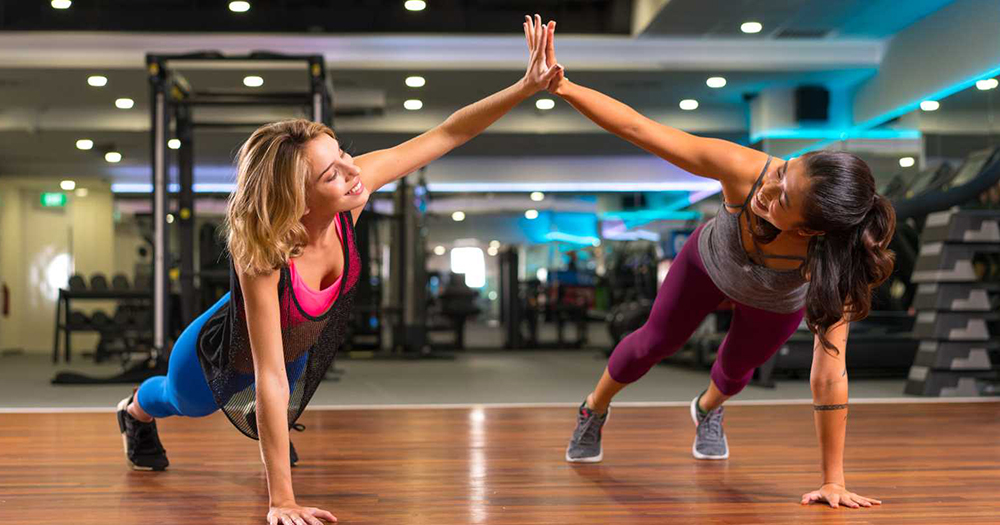
Singapore is a global hub where cultures converge, and this diversity is reflected not just in food, fashion, or business but also in fitness. The best gym in Singapore is not limited to adopting international workout trends. Instead, it blends them with local practices, preferences, and cultural values to create a truly unique fitness experience.
In a city where East meets West, gyms must cater to expatriates familiar with global routines while also resonating with Singaporeans who appreciate community, tradition, and balance. This cultural fusion has become a defining feature of the fitness landscape, setting apart gyms that thrive from those that merely follow trends.
Global Fitness Trends Entering Singapore
Over the last decade, fitness has been shaped by international influences, many of which found their way into Singapore’s gyms.
-
High-Intensity Interval Training (HIIT): Popular worldwide for its efficiency, HIIT is highly favoured by busy professionals in Singapore who want maximum results in minimal time.
-
Yoga and mindfulness practices: Borrowed from Eastern traditions but adapted globally, yoga has gained traction as both physical and mental training.
-
Functional training and CrossFit-inspired routines: These programmes emphasise real-life movement and strength, appealing to younger, performance-driven members.
-
Technology-driven workouts: Virtual coaching, connected machines, and data-driven performance tracking mirror global fitness innovations.
By integrating these international practices, gyms in Singapore remain relevant to global standards while keeping fitness exciting for members.
Local Identity and Fitness Culture
While international trends are important, local identity shapes how Singaporeans approach exercise. The best gym in Singapore adapts programmes to match cultural values and lifestyle patterns.
-
Group-focused workouts: Singaporeans enjoy the sense of community, which is why classes that build social interaction thrive.
-
Practicality and convenience: With long working hours, efficiency in training is a must, leading to strong demand for structured, short-duration workouts.
-
Family-friendly options: Many locals see fitness as a shared lifestyle, creating demand for facilities that cater to all ages.
-
Mind-body balance: Reflecting Asian wellness philosophies, members appreciate programmes that integrate physical exertion with relaxation and mindfulness.
This local perspective ensures that fitness feels natural and sustainable within the Singaporean lifestyle.
Blending East and West in Training Styles
The real strength of Singapore’s fitness culture lies in its ability to merge global and local influences into a seamless experience.
-
Fusion classes: Sessions that combine yoga with strength training or martial arts with cardio routines.
-
Multilingual support: Trainers and classes that cater to both locals and expatriates, ensuring inclusivity.
-
Diverse recovery methods: From Western physiotherapy techniques to Asian-inspired therapies like acupressure or traditional stretching.
This blending ensures that members feel at home while also being exposed to new global practices.
Festivals, Culture, and Fitness
Singapore’s cultural calendar also influences gym activity. The best gym in Singapore designs programmes and challenges around major festivals to keep members engaged.
-
Lunar New Year fitness challenges: Helping members stay active during festive feasting.
-
Deepavali wellness workshops: Encouraging balance between celebration and health.
-
National Day community workouts: Strengthening identity and pride through group activities.
This cultural alignment makes fitness not just a habit but a lifestyle that moves with the rhythm of the nation.
Nutrition and Local Food Integration
Global nutrition advice often emphasises Western diets, but in Singapore, cultural food preferences matter. Gyms that acknowledge this reality connect better with members.
-
Incorporating hawker favourites into diet plans: Advising on healthier versions of local dishes rather than insisting on unfamiliar meals.
-
Balancing traditional Asian diets: Helping members align rice- and noodle-heavy diets with protein and micronutrient needs.
-
Education on portion control: Allowing indulgence in local cuisine without compromising results.
This culturally sensitive approach ensures members feel supported rather than restricted.
The Role of Trainers in Cultural Fusion
Trainers are at the front line of cultural blending. The best gym in Singapore equips them not just with technical knowledge but also with cultural awareness.
-
Understanding diverse communication styles: Knowing when to push and when to encourage based on cultural expectations.
-
Respecting traditions: Being mindful of cultural sensitivities around attire, body language, or training approaches.
-
Global expertise with local insight: Trainers with international certifications who also understand Singapore’s unique social dynamics.
This balance ensures every member feels respected, understood, and motivated.
Technology Supporting Cultural Inclusivity
Technology helps gyms serve diverse populations. Mobile apps with multilingual options, virtual trainers that demonstrate exercises in culturally neutral formats, and flexible online booking systems make gyms more inclusive. TFX integrates digital features that support a wide range of member needs, from personalised schedules to performance tracking, further strengthening this cultural fusion.
Why Cultural Fusion Defines the Best Gym Experience
The success of a gym in Singapore lies not only in its equipment or facilities but also in how it reflects the multicultural reality of the nation. When international trends meet local preferences, members feel both globally connected and locally grounded. This balance creates a fitness culture that is dynamic, inclusive, and uniquely Singaporean.
FAQs
Q. Why is cultural fusion important in gyms?
A. Because Singapore is diverse. Members come from different backgrounds, and a gym that blends global and local practices feels welcoming to everyone.
Q. Do gyms in Singapore adapt diets for local food habits?
A. Yes. Many trainers help members make healthier choices with local dishes instead of enforcing purely Western diets. This approach builds trust and consistency.
Q. Are international fitness trends popular among Singaporeans?
A. Absolutely. Trends like HIIT and functional training are well-received, but they are often adapted to fit local schedules and preferences.
Q. How do gyms make fitness inclusive for both locals and expatriates?
A. By offering multilingual support, culturally diverse classes, and community events that appeal to Singapore’s wide-ranging population.
Q. What role do cultural festivals play in fitness programming?
A. Festivals are opportunities for themed challenges, workshops, and community workouts that keep members motivated while respecting traditions.
